Antarctica Basics
Start with Antarctica’s places, wildlife and human activity, then follow the evidence into more specific questions.
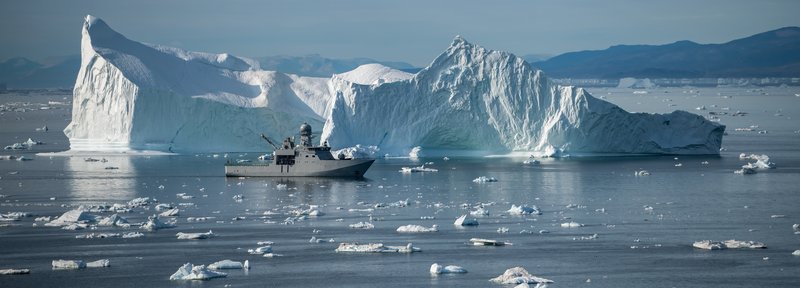
Large icebergs in open water. The purchased file’s embedded title describes a beautiful landscape with large icebergs; exact location is not confirmed. Credit as embedded in the purchased file: surangaw - stock.adobe.com. Adobe Stock 313421361. Rights: owner-attested purchased; licence type (Standard or Extended) unknown. Official Adobe Stock listing not live-verified (lookup blocked with HTTP 403 on 24 Nov 2026 and not retried). Identification is based on the file’s embedded metadata and a local visual review, not an official live listing.
Start with Antarctica’s places, wildlife and human activity, then follow the evidence into more specific questions.
Antarctica is easier to understand when geography, wildlife and human activity are considered together. A station is a real place, a base for work, a possible weather location and a subject in histories of exploration. A species has a life cycle and habitat; a photograph of it is not, by itself, evidence about every place where it occurs.
One useful starting point is the difference between a permanent reference and a changing observation. The Casey station profile explains a location and setting. A weather panel, by contrast, must identify when a reading was observed. A camera directory can send you to the official provider without pretending that an old photograph is a live view.
The Antarctic Treaty provides a framework for peaceful activity, scientific investigation and cooperation, while preserving different positions on territorial claims. Emperor penguins illustrate a different kind of Antarctic story: the close relationship between behaviour, physical adaptation and environment. Neither subject is well served by a dramatic headline without a reliable source.
Follow the sourced articles below, use search for aliases and scientific names, and read image captions when a location or subject is uncertain. The site is being developed on staging. Unfinished articles remain drafts rather than appearing as empty finished guides. Weather and webcam records show missing or stale states explicitly, and practical plans should always be checked against the relevant current official information.
Start with Antarctica’s places, wildlife and human activity, then follow the evidence into more specific questions.
Antarctica means the region opposite the Arctic: the name places the southern polar continent in relation to the northern polar world. The older root behind Arctic refers to the bear, associated with northern constellations, rather than to an animal found on the Antarctic ice.
Antarctica is a southern continent surrounded by ocean; the Arctic is centred on an ocean largely surrounded by land. That reversed geography helps explain differences in their ice, wildlife and the way maps represent them.
Antarctica surrounds the geographic South Pole in the Southern Hemisphere. Its ice sheet covers almost fourteen million square kilometres, but a precise area figure depends on what a source includes and the boundary it measures.
Published: 2026-11-24T06:43:52.850982+00:00 · Substantive update: 2026-11-24T06:43:52.850982+00:00 · Factual review: 2026-11-24T06:43:52.850982+00:00