Keep weather, sea ice and land ice distinct
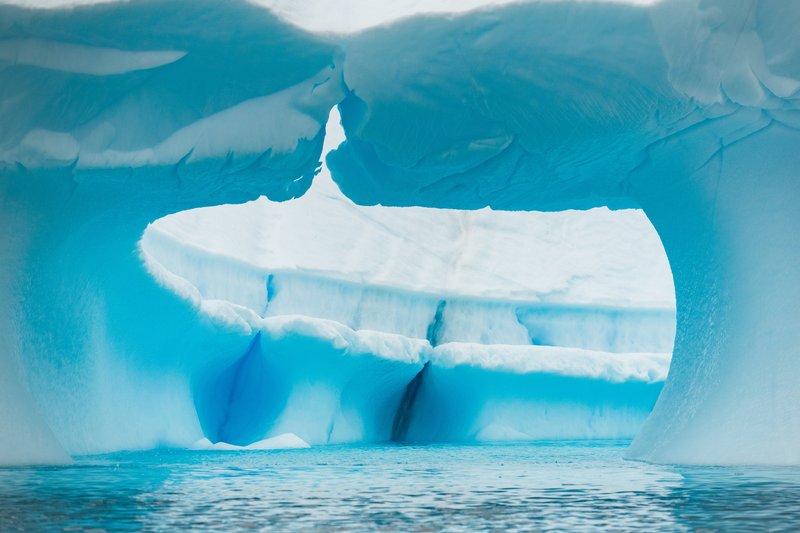
A station observation describes a place and time; climate describes longer-term patterns. Sea-ice extent, ice-shelf area and ice-sheet mass are also different measurements. This section begins with those distinctions so that a striking image or an unusually cold day does not become a misleading conclusion about the whole continent. Our operational weather pages state their source, timestamps and missing fields separately from these explanations.
Sea ice is frozen seawater; an ice sheet is a large body of glacier ice on land; an ice shelf is a floating extension of land ice. All can look white from above, but their origins and roles are different.
Antarctica's cold reflects its polar setting, long winter darkness, extensive reflective ice and the elevation of much of the ice sheet. Conditions differ greatly between a coastal station and the high interior, so there is no single temperature for the continent.
Antarctic land-ice loss can raise global sea level when water stored on land reaches the ocean. Floating sea ice and ice shelves require a different explanation: their direct melting is not equivalent to adding the same amount of previously grounded ice.
Antarctic land-ice loss can raise global sea level when water stored on land reaches the ocean. Floating sea ice and ice shelves require a different explanation: their direct melting is not equivalent to adding the same amount of previously grounded ice.
A station observation describes a place and time; climate describes longer-term patterns. Sea-ice extent, ice-shelf area and ice-sheet mass are also different measurements. This section begins with those distinctions so that a striking image or an unusually cold day does not become a misleading conclusion about the whole continent. Our operational weather pages state their source, timestamps and missing fields separately from these explanations.
Sea ice is frozen seawater; an ice sheet is a large body of glacier ice on land; an ice shelf is a floating extension of land ice. All can look white from above, but their origins and roles are different.
Antarctica's cold reflects its polar setting, long winter darkness, extensive reflective ice and the elevation of much of the ice sheet. Conditions differ greatly between a coastal station and the high interior, so there is no single temperature for the continent.
Published: 2026-11-24T07:58:29+00:00 · Substantive update: 2026-11-24T07:58:29+00:00 · Factual review: 2026-11-24T07:58:29+00:00