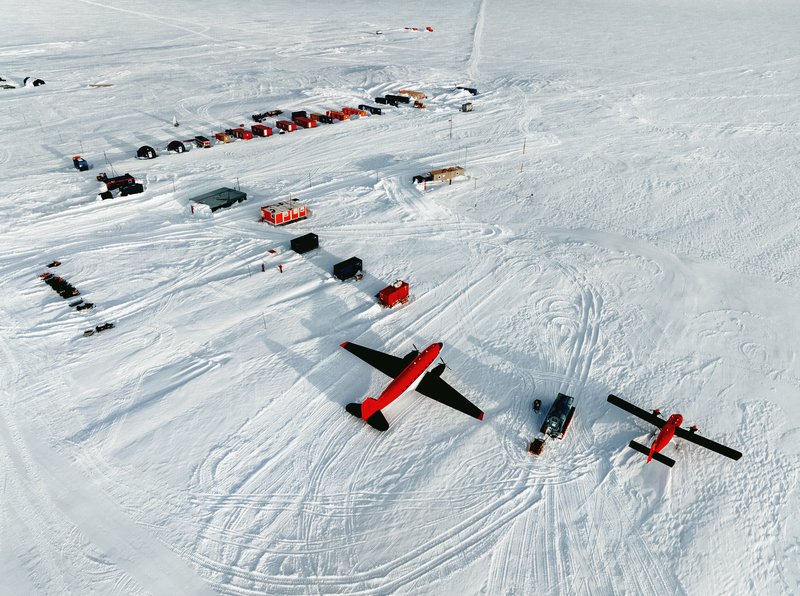
Explore living and working through the sourced articles below.
Begin with the evidence
This section connects the published reference material below. Read the linked sources for the evidence behind each explanation, and use related station, wildlife and governance records to follow the subject across the guide. Unfinished items in the larger editorial plan remain drafts and are not listed as completed articles.
Yes. Antarctic programmes employ people whose principal expertise is not scientific research. Trades and infrastructure roles are essential to keeping stations and field operations functioning, although every vacancy has its own qualifications and selection requirements.
Casey is an Australian permanent research station in the Windmill Islands area, beside the Antarctic ice cap and biologically important rocky ground.
Stations depend on organised resupply and engineered services for food, water and electricity. The exact arrangements vary by location and programme; a coastal Australian station should not be treated as a universal model for an inland station on the high plateau.
Explore living and working through the sourced articles below.
Daily life at an Antarctic station combines specialised work with the practical responsibilities of living in a small, isolated community. It varies by programme, season, station and role; there is no universal timetable that describes everyone's experience.
Published: 2026-11-24T06:44:56.278656+00:00 · Substantive update: 2026-11-24T06:44:56.278656+00:00 · Factual review: 2026-11-24T06:44:56.278656+00:00