How did Antarctica become a centre for international science?
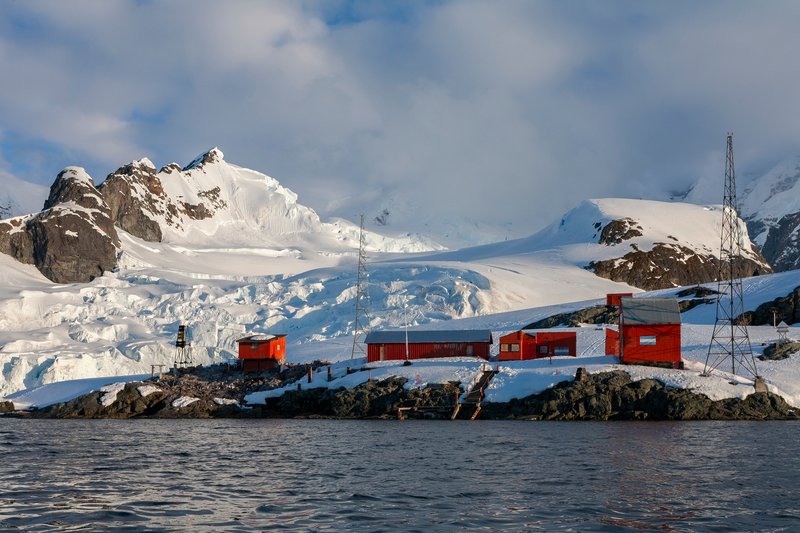
Image information and credit
A small coastal research station. The purchased file’s embedded title names Almirante Brown Research Station in Paradise Bay, Antarctica. That identification is taken from the title and is not independently verified. This is not used as a photograph of McMurdo, the South Pole, Rothera, Casey, or Concordia. Credit as embedded in the purchased file: mrallen - stock.adobe.com. Adobe Stock 302062534. Rights: owner-attested purchased; licence type (Standard or Extended) unknown. Official Adobe Stock listing not live-verified (lookup blocked with HTTP 403 on 24 Nov 2026 and not retried). Identification is based on the file’s embedded metadata and a local visual review, not an official live listing.
Antarctica became a major centre for international science through sustained field programmes, cooperation and a legal framework that protects peaceful scientific investigation. The International Geophysical Year of 1957–58 was an important catalyst, not the beginning of all Antarctic research.
Building lasting observations
Expeditions had already collected geographical and scientific information. Mid-twentieth-century programmes expanded the scale of coordinated work and station activity. The British Antarctic Territory's timeline, for example, links the establishment of Halley with the International Geophysical Year. Long-term observations have a particular value: changes can be studied against a continuing record, provided instruments, methods and data quality are understood. Keeping a station supplied and maintaining its measurements can be as important as a single dramatic expedition.
The Treaty's scientific commitments
The Antarctic Treaty was signed in 1959 after the International Geophysical Year and entered into force in 1961. It protects freedom of scientific investigation and calls for cooperation and the exchange of observations and results. Its approach allowed scientific work to continue despite differing positions on territorial claims.
Cooperation is practical
Shared information, compatible methods and careful sample records make research more useful. Cooperation does not mean that every institution studies the same problem or that uncertainty disappears. Good reporting should identify the actual programme, dataset and findings rather than use international science as a vague seal of authority.
Sources and factual review
- The Antarctic Treaty — Antarctic Treaty Secretariat; checked 2026-11-24.
- UK in Antarctica: historical milestones — British Antarctic Territory; checked 2026-11-24.
Published: 2026-11-24T07:58:29+00:00 · Substantive update: 2026-11-24T07:58:29+00:00 · Factual review: 2026-11-24T07:58:29+00:00